




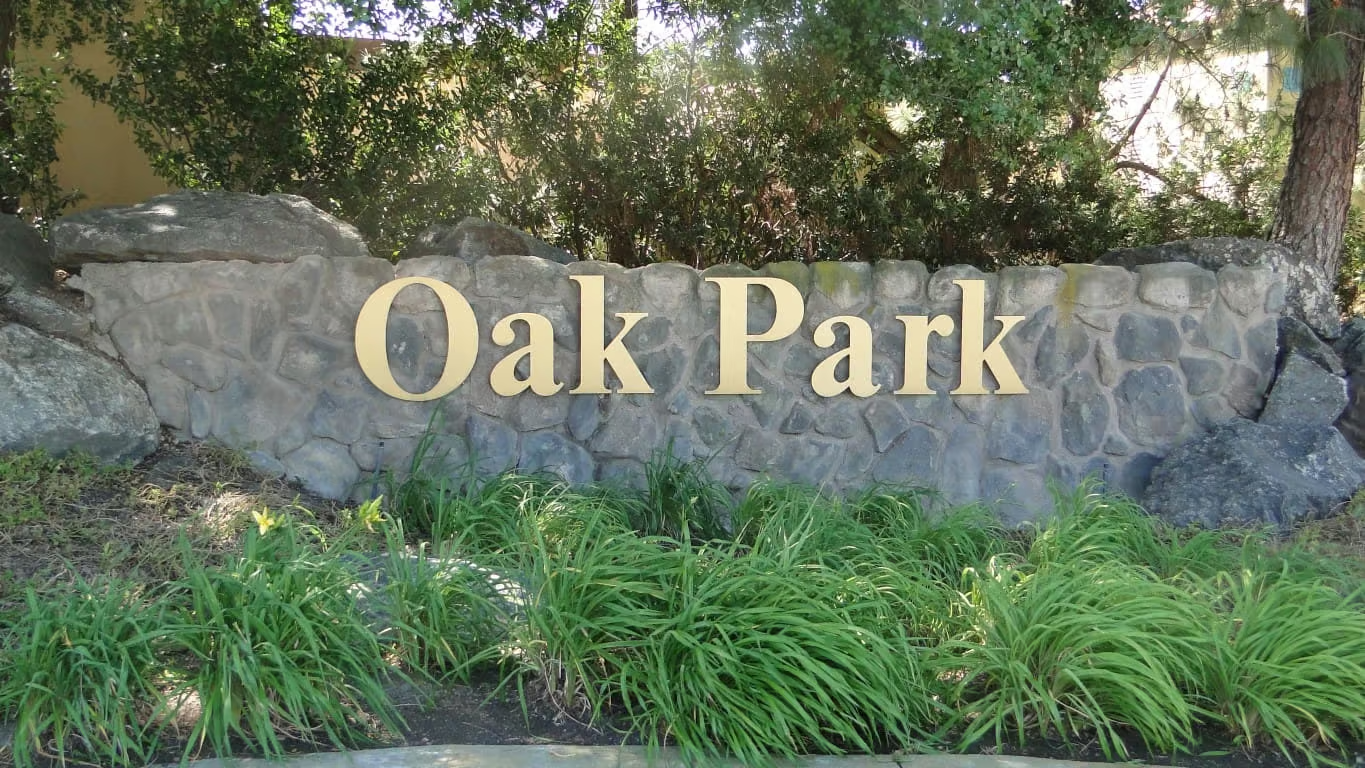
Oak Park may be small in size, but it’s got a pretty big reputation
The schools are highly recognized and regarded throughout the state, and the super laidback lifestyle continues to be a major draw towards this part of SoCal. It’s home to several parks, miles of hiking trails, and the beauty of the surrounding mountain vistas certainly add to its appeal.
When home buyers look at Oak Park, one of the first things they notice is how different homes can feel, even though they’re geographically close. Much of that comes down to when different neighborhoods were built and how construction and design changed over time.
Oak Park breaks down into two distinct sections
- The original area, sitting closer to Agoura Hills
- The newer area, closer to Westlake Village.
Both sides offer everything from entry level condos to estate style homes. But being built over the course of a few decades, we’re bound to see some differences in architecture, lot size, and even some curb appeal.
The breakdown:
Original Oak Park | Built in the 70s and 80s
Aesthetically speaking, this side of Oak Park and Agoura Hills have a lot in common. Head up Kanan through Agoura Hills, and you’ll cross into Oak Park before you realize it. Why? The first official neighborhood in Oak Park was built in the 1970s – much like a lot of Agoura Hills.
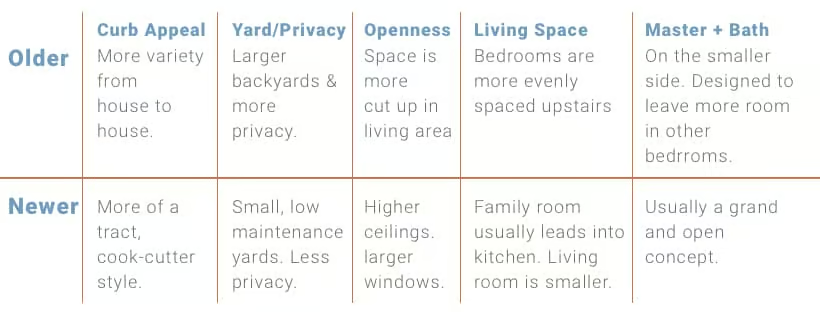
The older construction comes with some perks you won’t find as often in the newer section. First and foremost, yard size. Compared to the newer section of Oak Park, the same price point will usually get you a much larger yard and more privacy.
As you enter the home, you’ll definitely pick up that 70s vibe and may catch a few flashbacks – lower ceilings, smaller kitchens, and limited natural light. You may even stumble into some shag carpet and popcorn ceilings from time to time. Laundry rooms weren’t much of a thing back then which means you’ll be doing your laundry in the garage.
During this era, builders made parents give up some bedroom and bathroom space to share with their kids. You’ll notice that the master bedroom will be a bit smaller than a 90s house, but you’ll really notice a difference in the master bath. It’s much smaller and without a lot of space to move around.
There are certainly exceptions to this, but if a grand master bath with a separate bath & shower and his & her vanities are on your “must have” list, you may want to check out the newer homes.
However, your loss is your kids gain. Kids bedrooms tend to be larger in this section of Oak Park. Not night and day larger, but enough to make a difference.
Is this a benefit? I suppose it depends on how much you want to share your space with your kids.
Check out:
Newer Oak Park | Built in the 80s and 90s
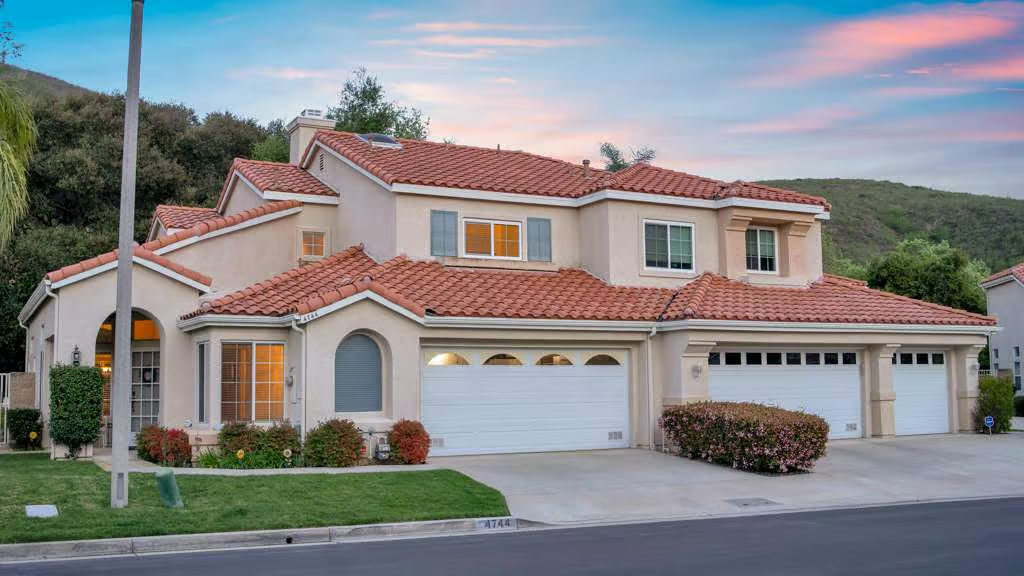
Needless to say, a lot changed between 1970 and 1990 – especially style. Oak Park is a perfect representation of the architectural changes from the 70s to 90s.
One of the first things you’ll notice is the curb appeal – they tend to be more cookie cutter on this side of Oak Park. Some like that uniformity, others find it to be too much of a reminder that they live in suburbia.
Inside, you’ll find the more popular open concept with higher ceilings and those high windows that let in natural light. The kitchens tend to be more open and flow into the family room.
At this point, you may have forgotten about the formal living room. That’s because the builder almost forgot it too – it’s usually just a small sitting room. But since most families spend the majority of their time in the kitchen and family room, this oversight is often forgiven.
The washer/dryer finally made its way from the garage into its own dedicated laundry room. And an upstairs loft area became a popular feature for an office, TV room, or kids play area.
But the real tradeoff is found in the backyard. Many of the newer homes have much smaller yards and lack in privacy. It can make you feel like you’re in a fishbowl. Others may come with privacy, but skimp on size. The ones that do offer both privacy and size, will cost a pretty penny.
Personally, I think the abundance of local parks makes the small yard easier to swallow.
Check out:
Older vs. Newer Comparison
If you want a simple, high-level way to see all 24 of Oak Park’s neighborhoods and how they’re laid out, this overview page is a helpful reference → Oak Park Neighborhoods
How this shows up across Oak Park neighborhoods
These differences don’t show up randomly. In Oak Park, groups of neighborhoods were often built around the same time, by the same builders, with similar design goals.
That’s why you’ll hear certain neighborhoods referred to as sister communities. They share a look, layout, and overall feel, even if prices or HOA structures differ slightly.
If you’re trying to compare specific neighborhoods side by side, I break down Oak Park’s six main sister communities here → Oak Park’s 6 Sister Neighborhoods: How They Compare
To sum it all up…
There is no section of Oak Park that is “better” than the other – there are just differences.
Style is subjective, you may like a large street with a little variety in the curb appeal. You may be looking for a small, low maintenance yard.
My intention isn’t to talk you into one or the other, I’m just here to point you in the right direction.
If you’re still sorting out how Oak Park homes differ, the most helpful next step is usually looking at neighborhoods, not individual houses.
Want to dig a little deeper?
- Living in Oak Park | Get the big picture.
- Explore Oak Park Neighborhoods | Compare the different neighborhoods.
- How I Help You Find a Home | See how I help buyers narrow down the right fit.
Enjoying this post?
I’m Michael Rice, the Conejo Valley Guy. I share practical insights about buying, selling, and living in the Conejo Valley based on 25+ years helping clients navigate this market.
If you find this kind of local perspective helpful, you can get future posts and my monthly market update by email.